
Every class in “Whispers of Erosia: Second Bloom Edition” begins with a simple question:
What does Desire mean to this class?
For the Stillheart, the answer was not immediately obvious.
At first glance, it would have been easy to create an Erosian Monk by sprinkling a little harmony, a few references to Ki and some mechanics of Desire onto the existing chassis. It would have played fine and looked familiar, but it also would have completely missed the point. The Stillheart deserved something better.
The Problem with the Monk
One of the guiding principles of Second Bloom Edition is that every class must possess a unique gameplay engine. The Anointed has Grace, the Reveler has Resonance, the Pactsworn has Petitions and Favor, and the Veilwalker uncovers Echoes and creates Openings. Each class interprets the mechanics of Desire through its own specific fantasy rather than simply using them as a baseline.
The Monk could not simply become “the Monk, but Erosian.” It needed a core philosophy to inform every feature from first level to 20th.
Discovering Harmony
The breakthrough came from an unexpected place. Instead of asking how a monk uses Desire, the design team asked a different question: What if Desire itself was simply another form of pressure?
That single idea changed everything. Pain, fear, magic, temptation and arousal are all forms of pressure. The Stillheart does not deny, suppress or ignore these forces. Instead, it learns to guide them. That philosophy became Harmony. Harmony is not peace; it is choosing where pressure ultimately flows.
Redirection: The Heart of the Class
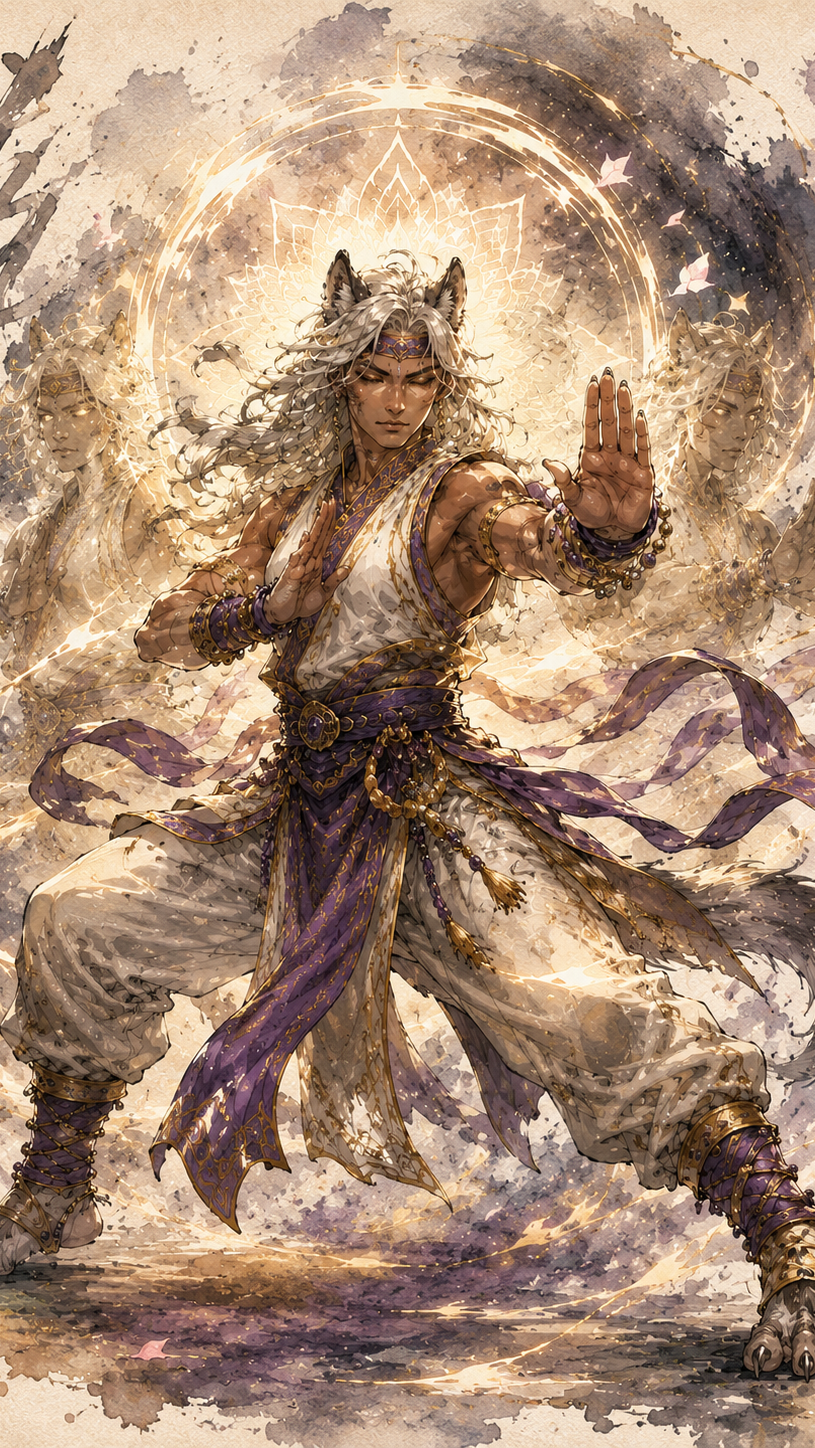
Once Harmony existed, the mechanics quickly fell into place. The Stillheart’s defining feature became Redirection, a martial discipline built around transforming pressure rather than resisting it. As the class grows, Redirection evolves through four expressions:
- Deflect teaches survival.
- Flow teaches movement.
- Reflect teaches consequence.
- Shelter teaches sacrifice.
By the time a Stillheart reaches the highest levels, these techniques function as a single martial language. Every attack, emotional surge and mystical assault can be answered with purpose. Rather than asking how much damage it can deal, the Stillheart asks where the pressure should go.
The Desire Cycle Remains
One of the most important design decisions was refusing to let the Stillheart become immune to the core philosophy of Erosia. Harmony is not invulnerability. Stillhearts still experience arousal, reach climax, spend libido and face the consequences of the Desire Cycle. The difference is not that they avoid those moments, but that they learn to make every one of them matter.
A Better Martial Fantasy
The traditional fantasy roleplaying monk has always occupied an unusual mechanical space. It is agile, disciplined and performs extraordinary feats, yet much of its progression has historically been a collection of unrelated abilities. With the Stillheart, every feature reinforces the same lifelong discipline:
- 1st Level: Learn to endure pressure.
- 5th Level: Learn to move with it.
- 10th Level: Learn to return it.
- 14th Level: Learn to bear another’s burden.
- 17th Level: Master every expression of Harmony.
- 20th Level: Become Perfect Harmony itself.
Five Classes Down
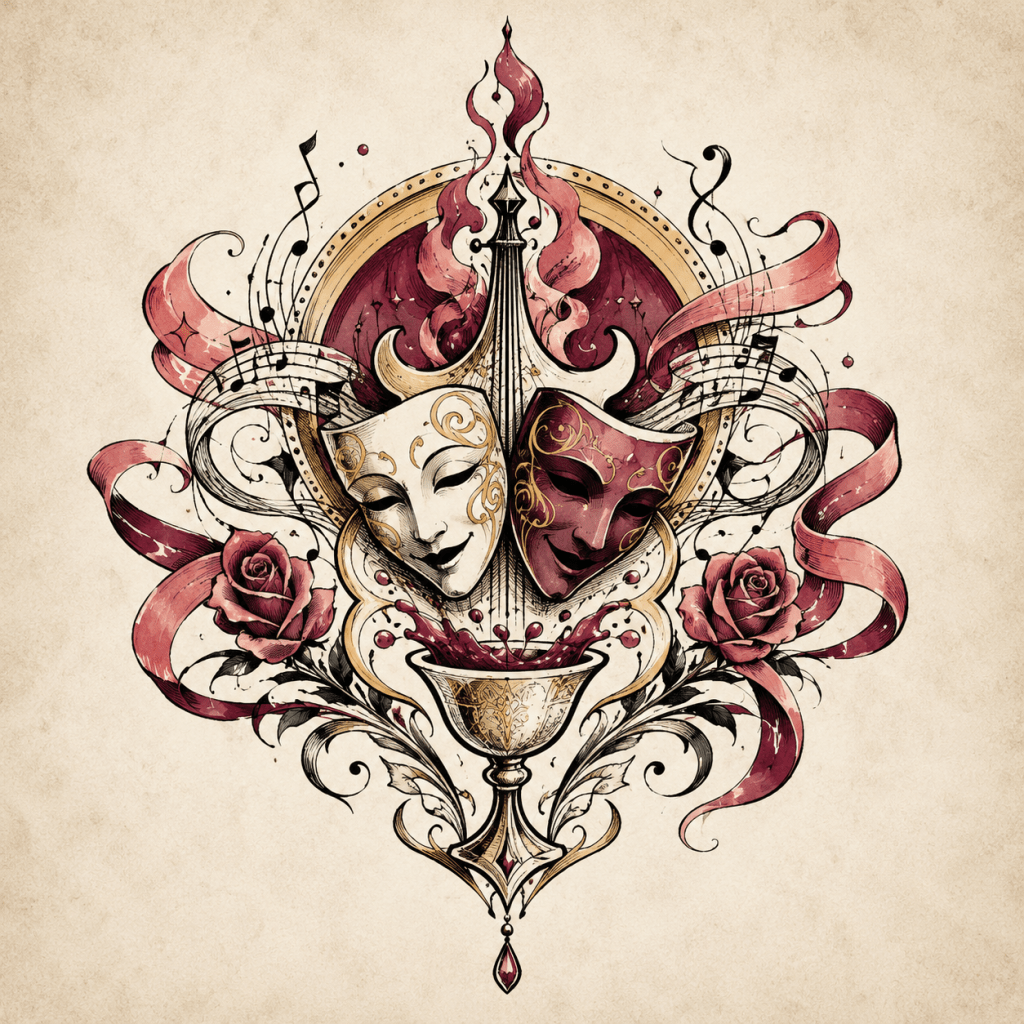
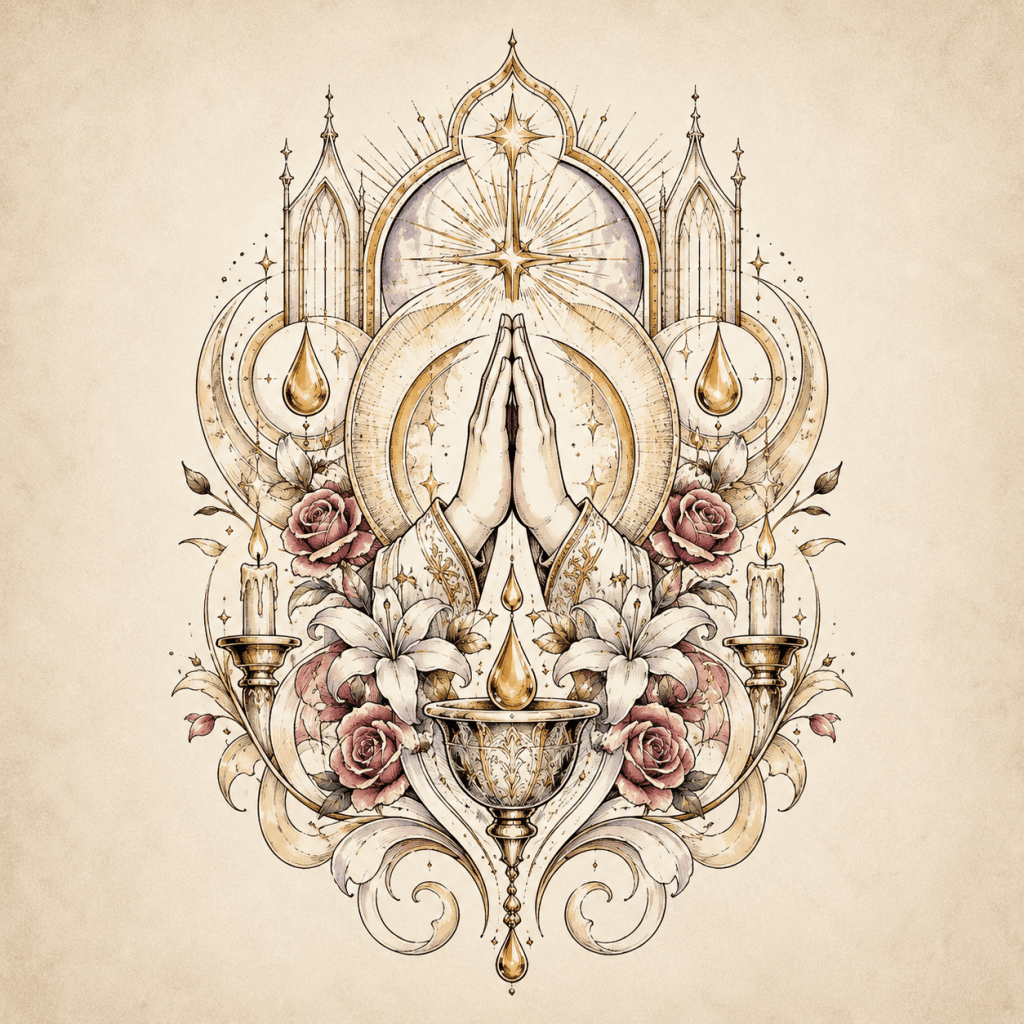
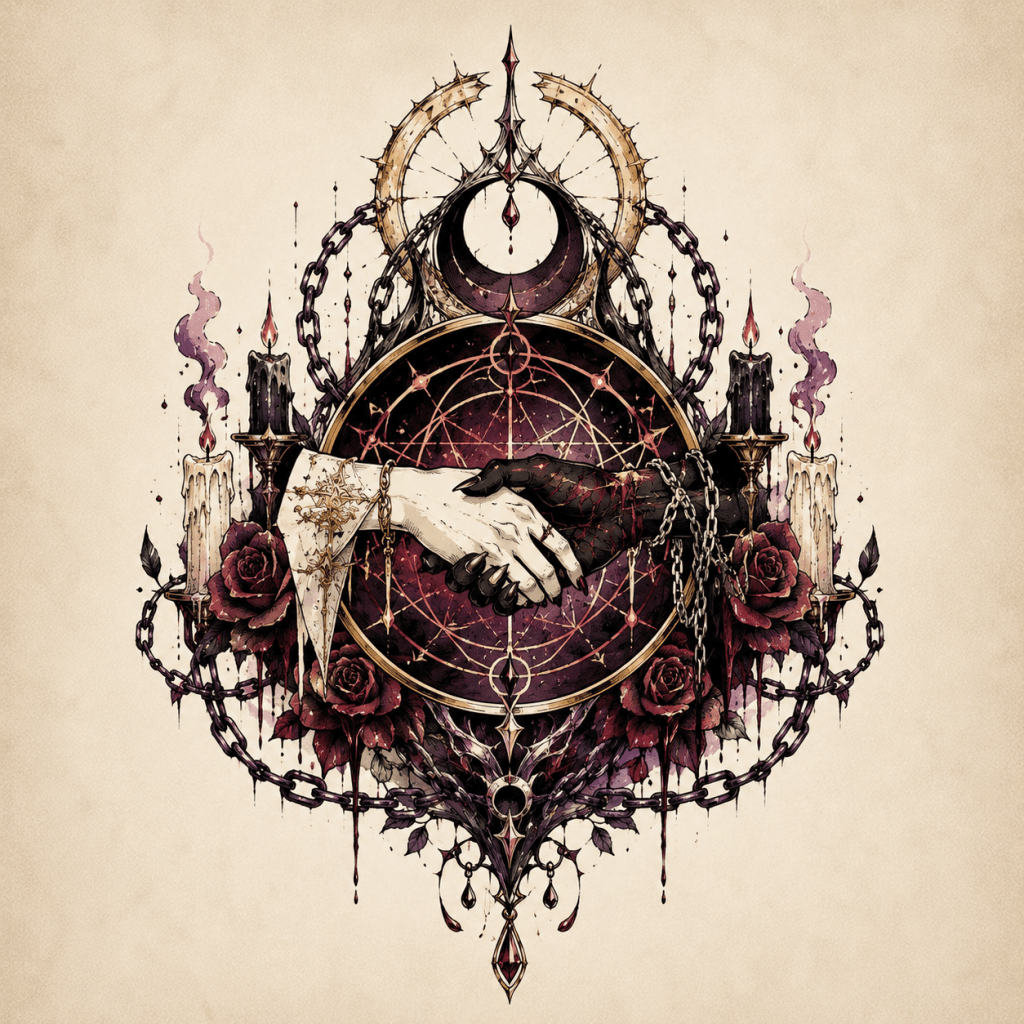

With the completion of the Stillheart, the foundation of the Player’s Handbook continues to take shape. The current five-class roster includes the Anointed, Reveler, Pactsworn, Veilwalker and Stillheart. Each has been built from the ground up around its own mechanical identity rather than simply adapting an existing 5e class.
What’s Next?
The base classes remain the team’s top priority. Each foundation will be completed before expanding into subclasses to ensure player options are built on solid ground. The Stillheart taught us that strength is not measured by how much pressure you can endure, but by what you choose to do with it. Thank you for following the journey. Every comment, question and playtest idea helps shape “Whispers of Erosia: Second Bloom Edition” into the game we set out to create. The path continues.


 Whispers of Erosia
Leave a comment