
The Pantheon of Erosia
Gods of Desire, Transformation, Devotion, and Divine Emotion
Desire is older than prayer.
Before temples, before kingdoms, before mortal hearts had learned to name longing, there was Want: immense, directionless, and without form. When that pressure could no longer remain abstract, it gathered itself into radiant consciousness.
That first divine coherence was Velyssara.
From her came the many currents of desire that would one day become gods in their own right: nurture and pursuit, surrender and transformation, instinct and restraint, reflection and abundance, devotion and dream.
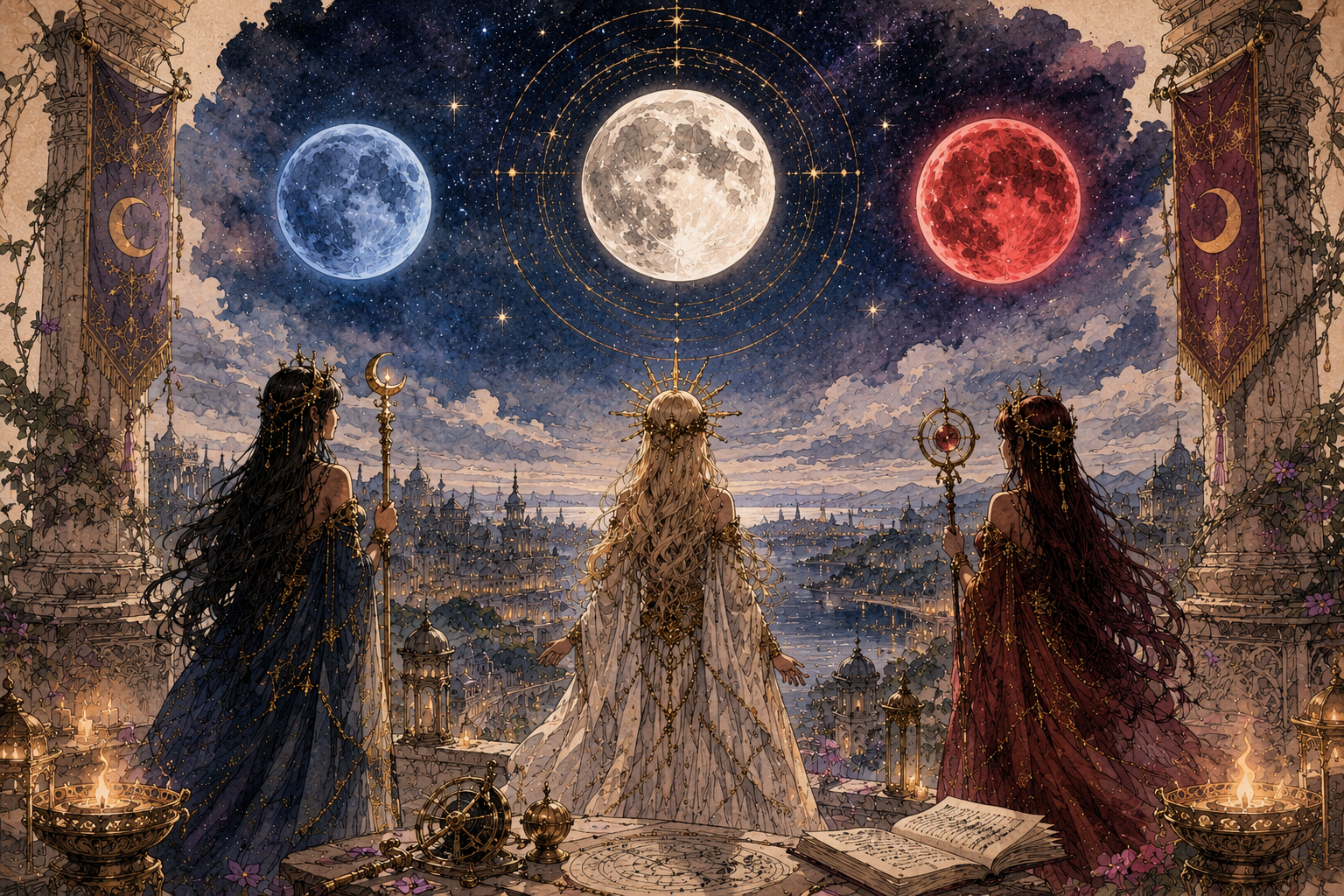
Together, these powers form what mortals call the Velvet Court.
Not a palace.
Not a council chamber.
Not gods seated obediently around a throne.
The Velvet Court is a living architecture of desire, each deity embodying a different force capable of enriching mortal life—or overwhelming it when allowed to exist without balance.
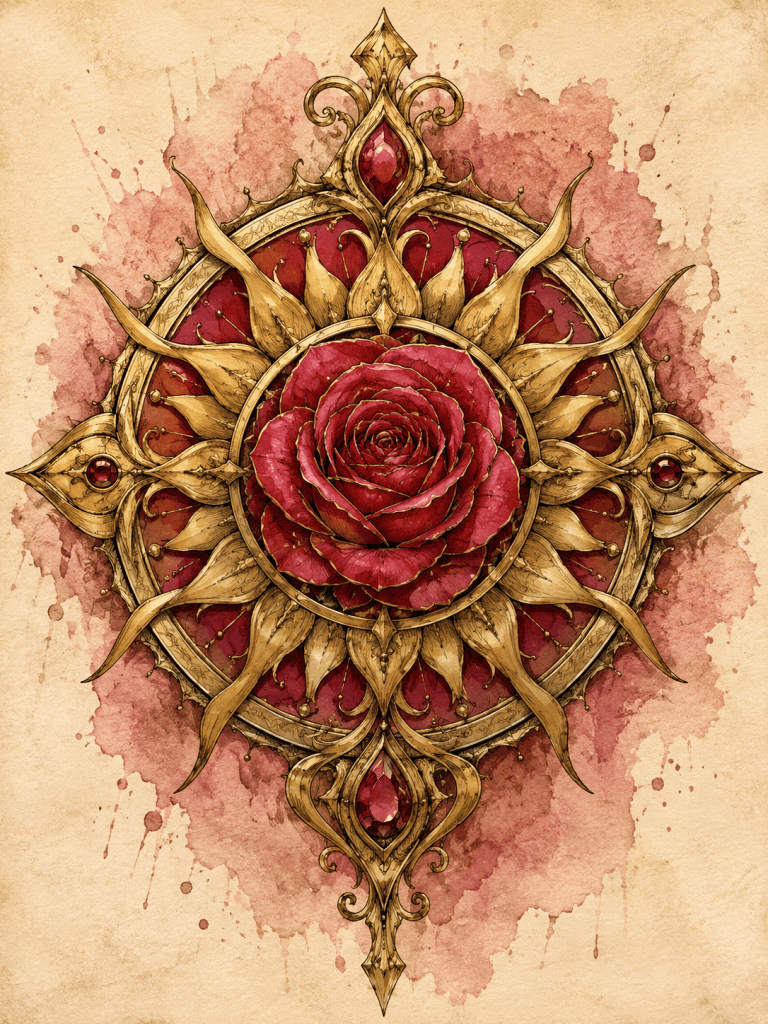
Velyssara, the First Bloom
Goddess of Lust, Sex, Life, and the First Desire
“All hearts seek another.”
Velyssara is not merely the most powerful deity of Erosia.
She is its beginning.
She arose when primordial desire first chose form, becoming the radiant center from which the divine expressions of longing would eventually emerge. Her presence is felt in intimacy, passion, tenderness, fertility, companionship, vulnerability, pleasure, and the irrepressible desire of living things to reach beyond themselves.
Her faithful call her Mother, Lover, Muse, Flame, the Velvet Pulse, and the First Bloom.
To Velyssara, desire is not a weakness to overcome.
It is proof that something within us still reaches toward life.
The Velvet Court
The Many Faces of Desire
Every deity of the Velvet Court embodies a different truth of mortal longing. Some are welcomed openly in radiant temples. Others are invoked beneath masks, whispered during private vows, sought during dangerous rites, or encountered only when a mortal discovers something within themselves they can no longer ignore. No single deity represents desire in its entirety. Each is one current within something much larger.
Aratheia
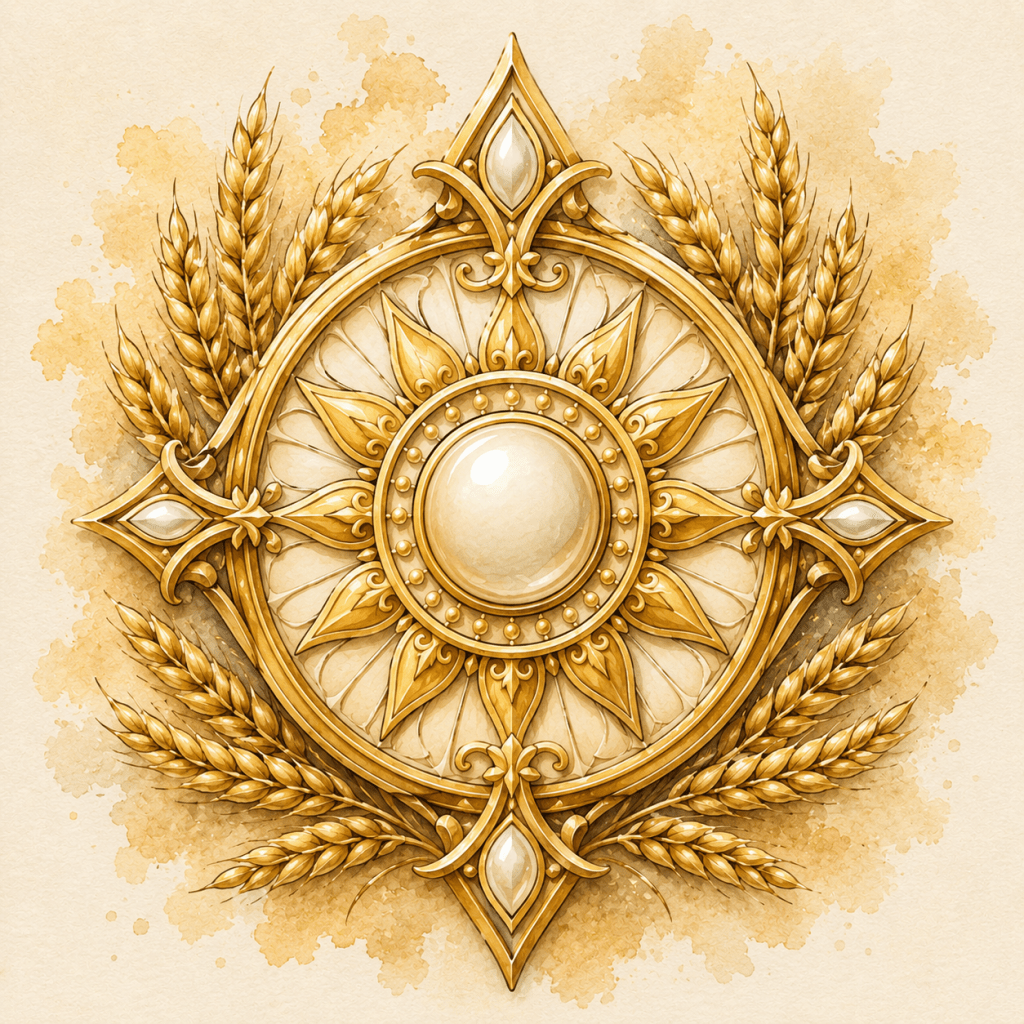
Nourishment • Care • Abundance
“What is given freely sustains the world.”
Comfort, provision, caregiving, hospitality, nourishment, and the sacred act of sustaining another.
Cyrillith
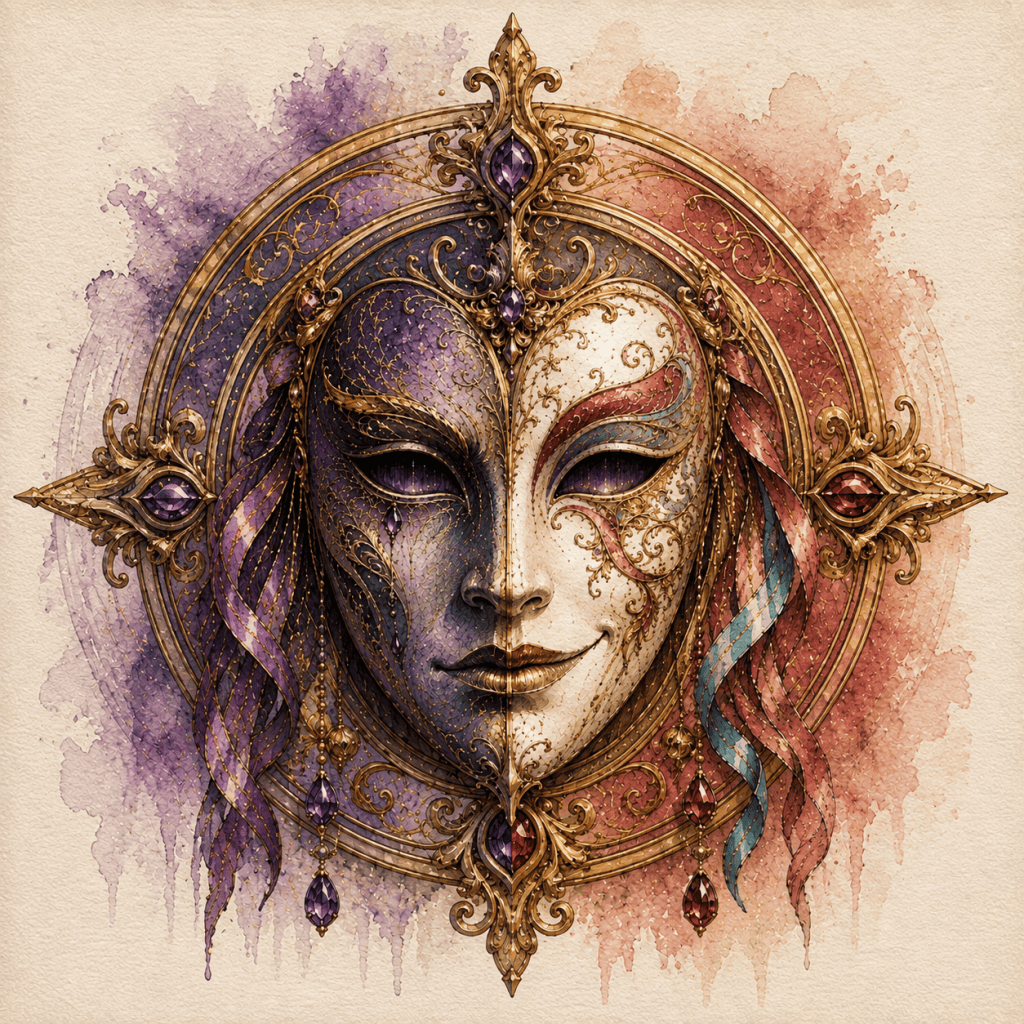
Identity • Story • Self-Expression
“Every mask reveals a truth.”
Performance, fantasy, reinvention, role, costume, storytelling, and the many selves we discover through becoming someone else.
Delavira
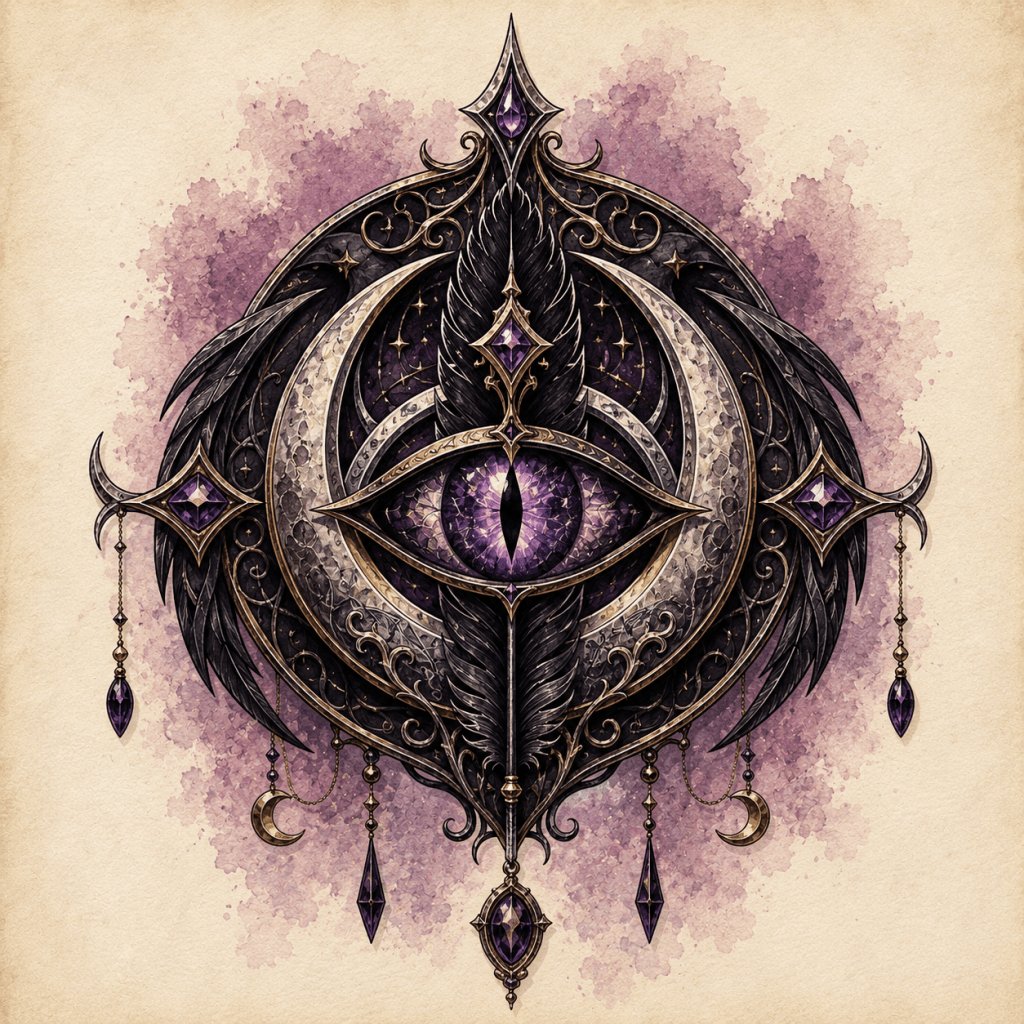
Anticipation • Mystery • Restraint
“The sweetest fruit ripens slowly.”
Distance, patience, teasing, absence, ritual waiting, and the exquisite power of what remains just beyond reach.
Eshthara
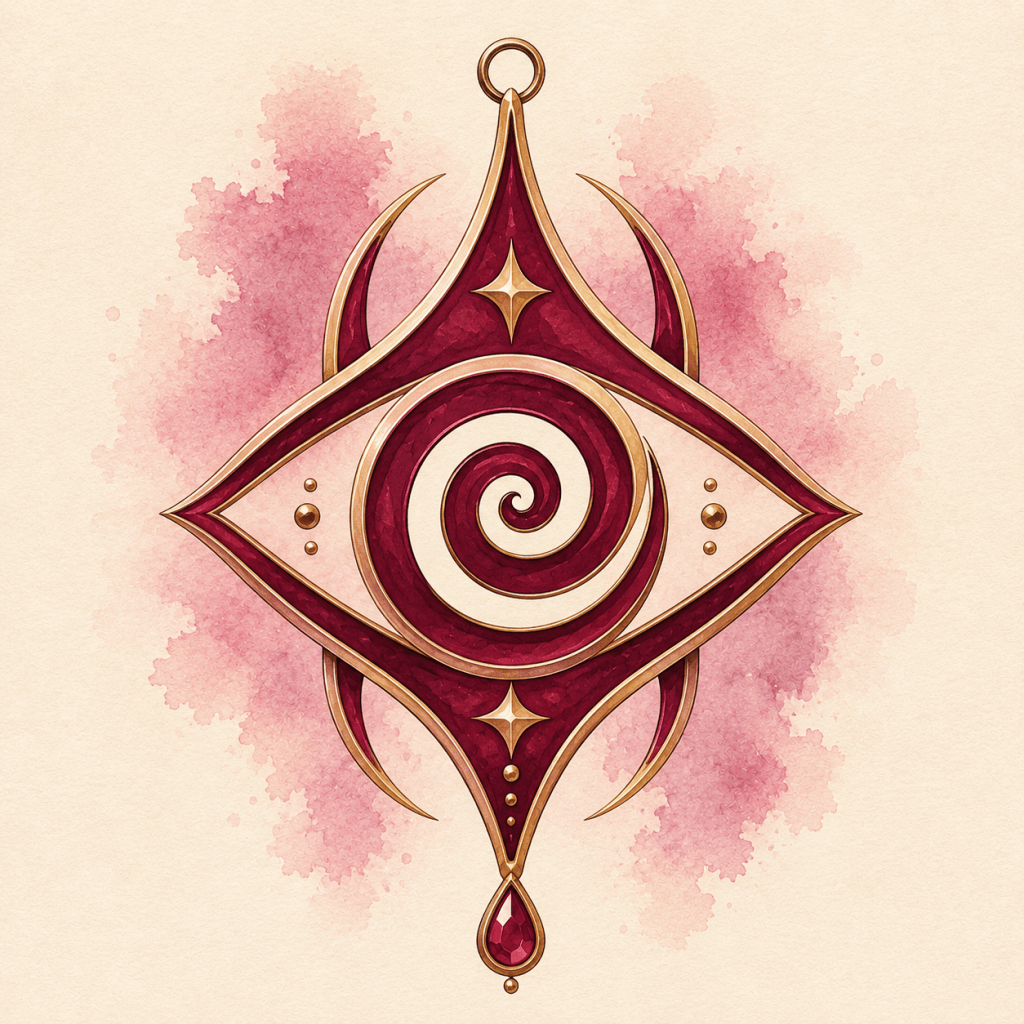
Influence • Dream • Suggestion
“The mind follows the path it believes it chose.”
Dreams, inspiration, meditation, persuasion, prophecy, imagination, and the subtle shaping of thought.
Mirellune
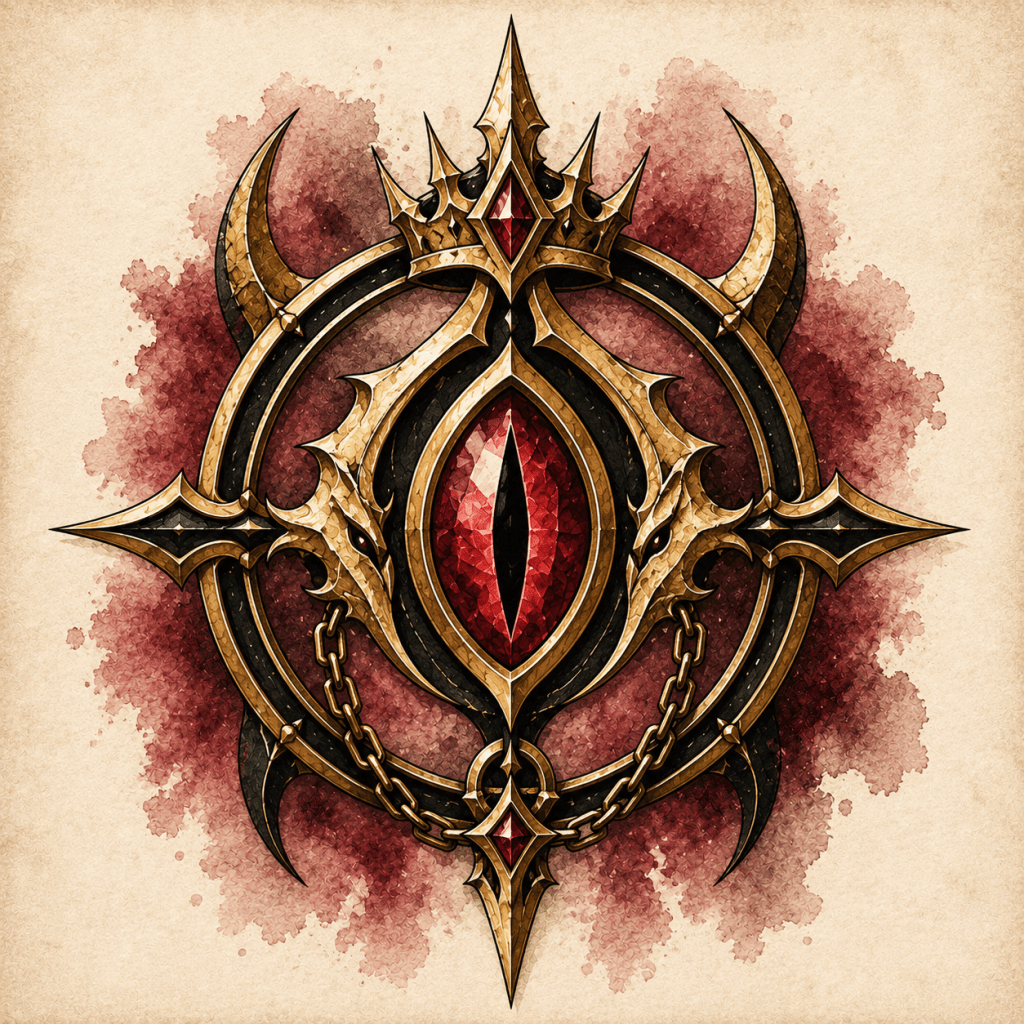
Trust • Devotion • Surrender
“To entrust oneself is sacred.”
Vows, chosen vulnerability, commitment, obedience, ritual binding, and the power found in willingly placing oneself within another’s care.
Nyzun
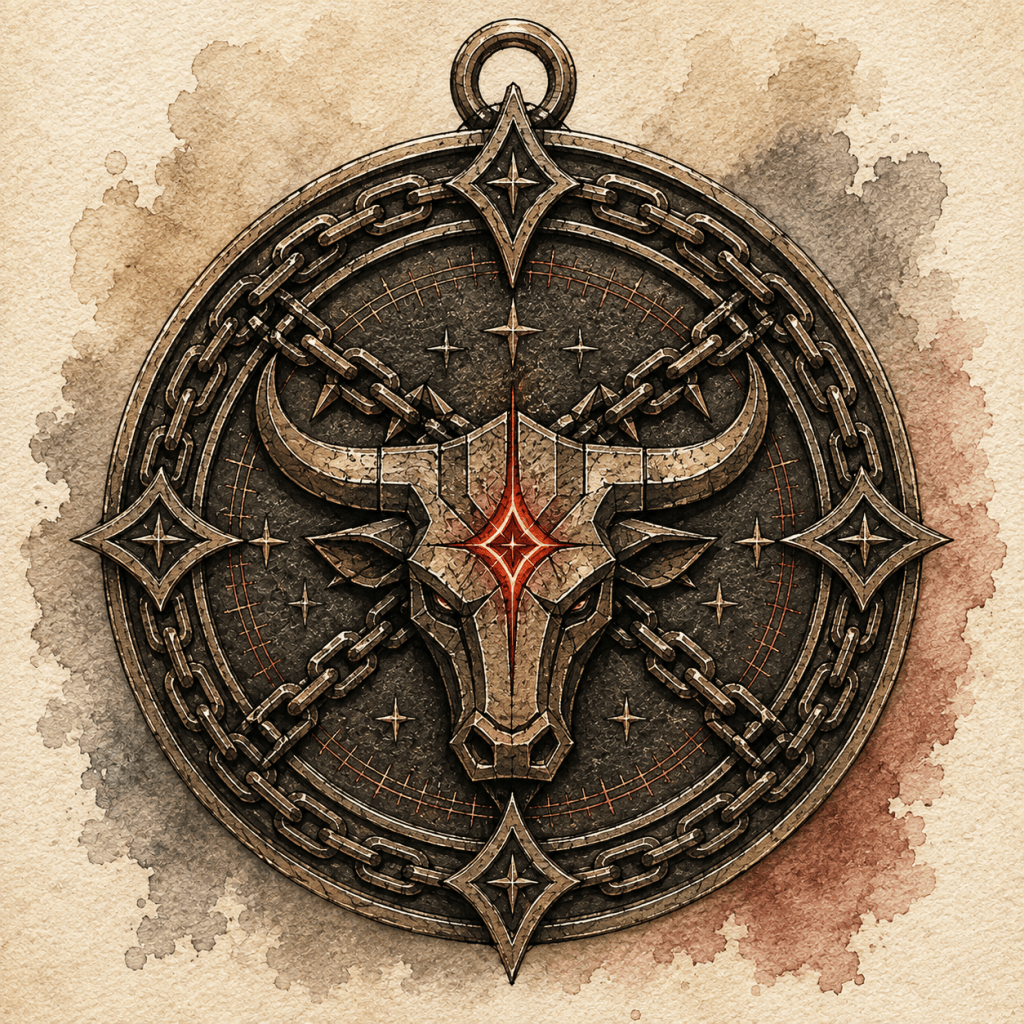
Endurance • Discipline • Trial
“Growth is forged through challenge.”
Self-mastery, sacrifice, ordeal, resilience, structure, and the discovery of strength through limits willingly tested.
Rhaziel
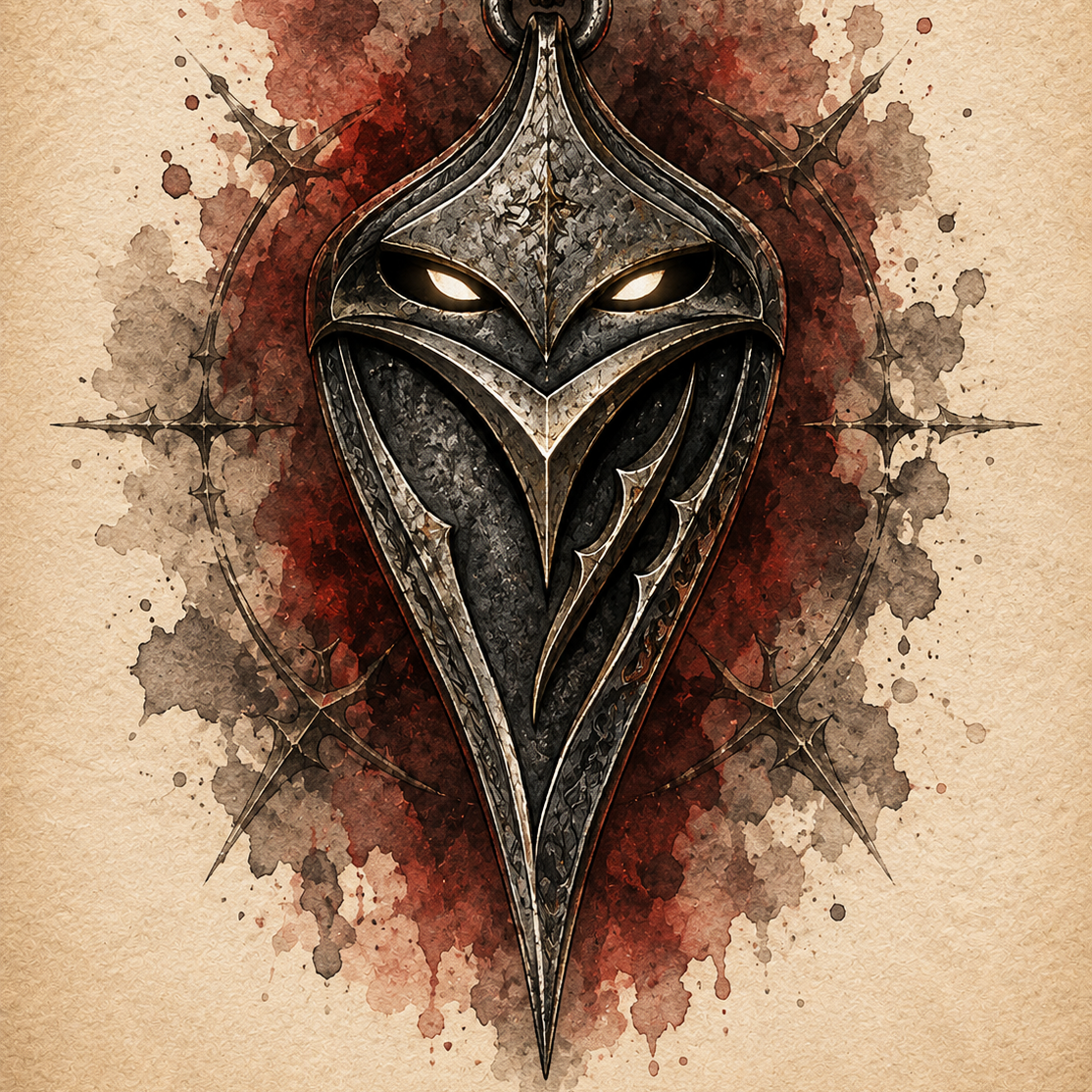
Pursuit • Ambition • Obsession
“What calls to you is worth chasing.”
The hunt, the quest, competition, ambition, fixation, discovery, and the relentless pursuit of something desired.
Solynth
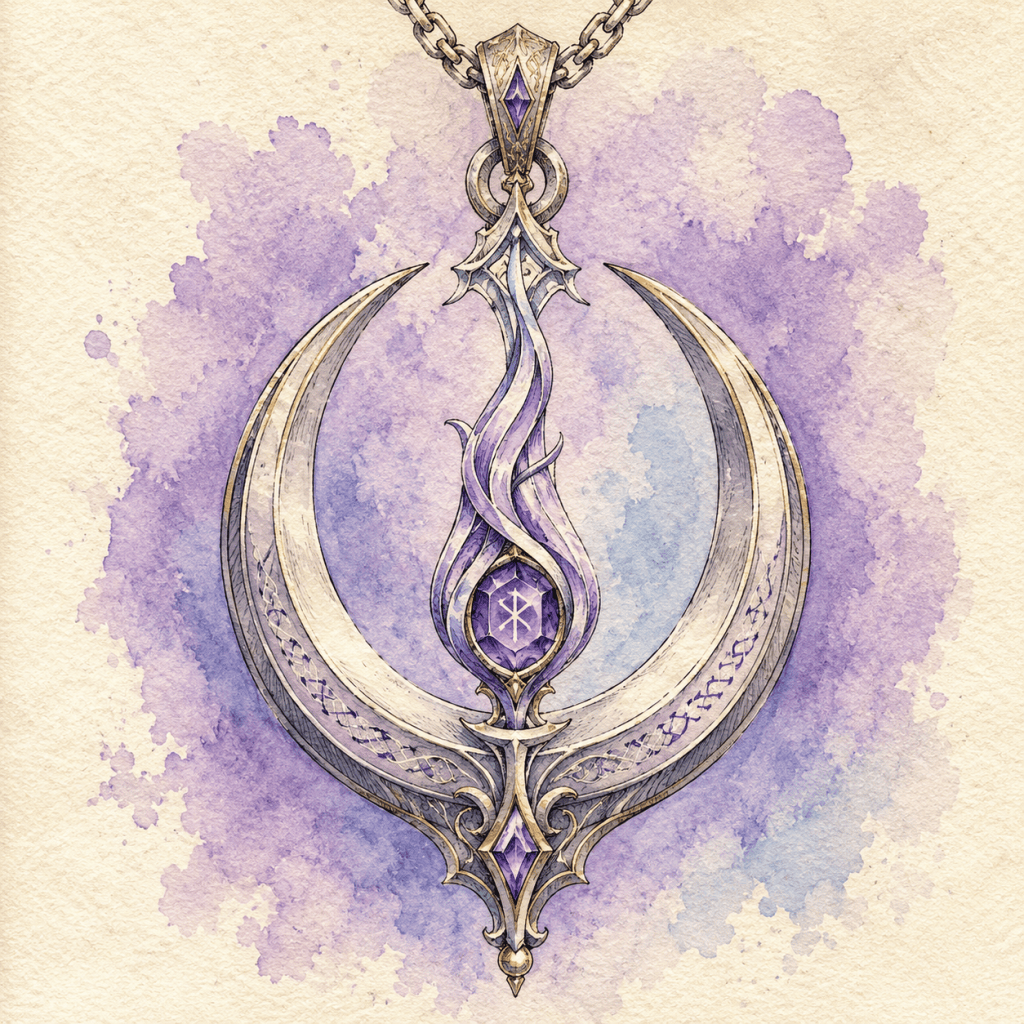
Purpose • Service • Belonging
“In service we discover ourselves.”
Devotion, mentorship, stewardship, apprenticeship, chosen service, and the fulfillment found in contributing to something greater.
Sylithra
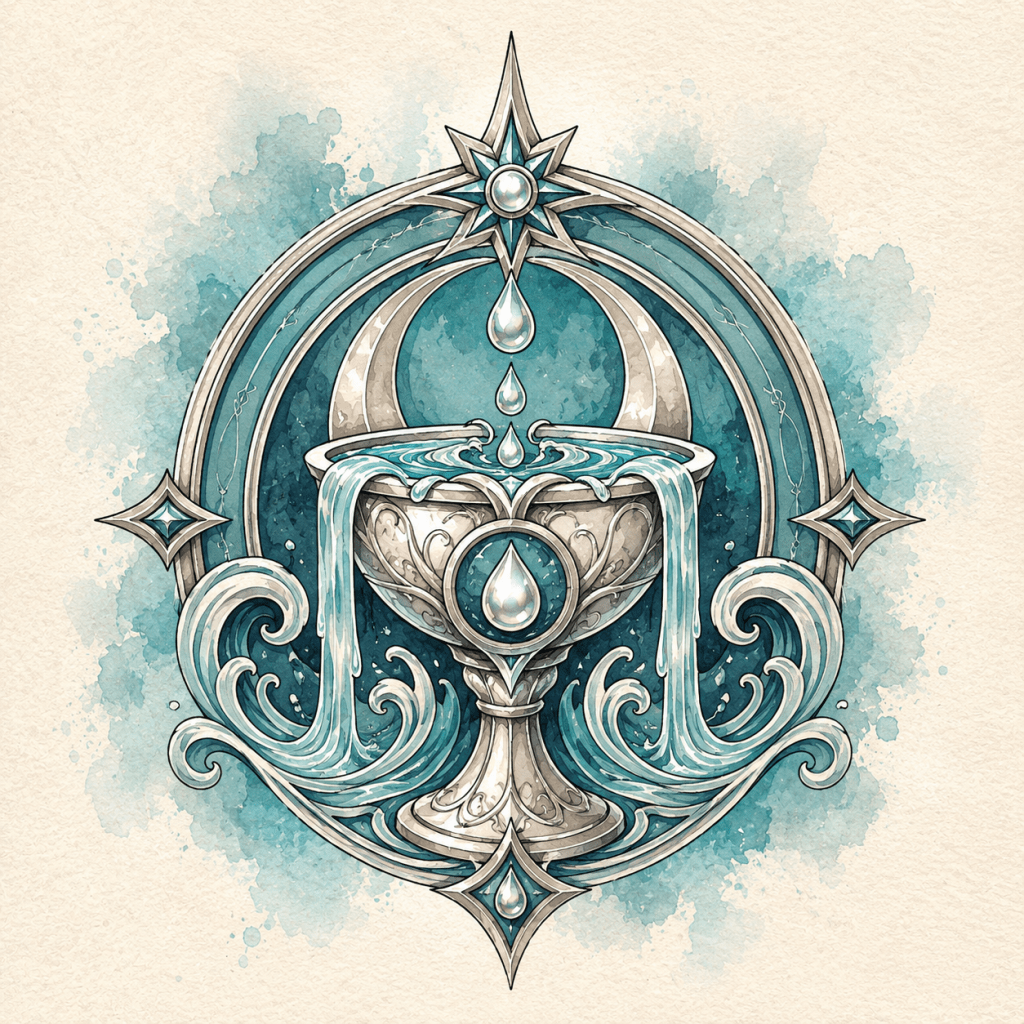
Release • Overflow • Renewal
“What is released may become.”
Catharsis, emotional release, cleansing, forgiveness, surrender, abundance, and the letting go of what can no longer be contained.
Talyss
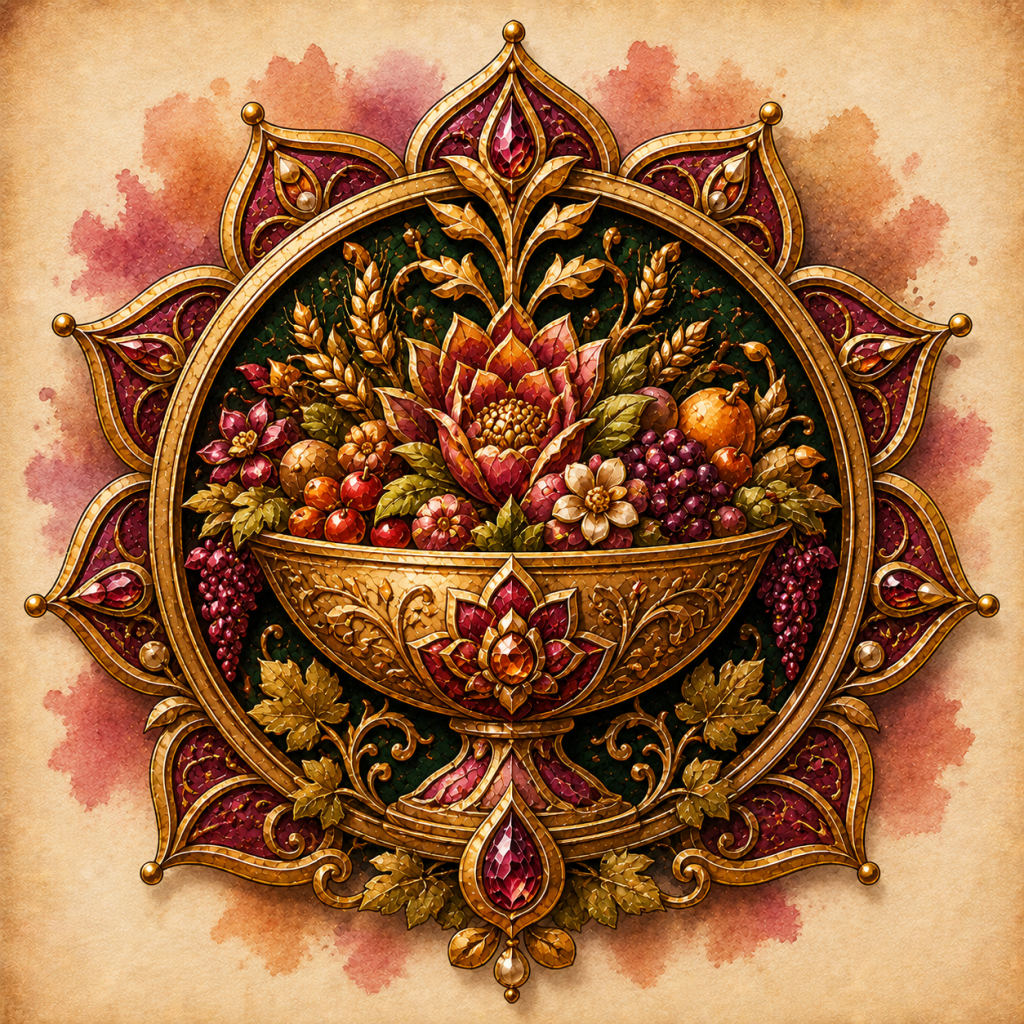
Celebration • Fertility • Shared Joy
“Life flourishes when shared.”
Feasting, fertility, friendship, family, festivals, communal pleasure, growth, and the exuberant continuation of life.
Threxia
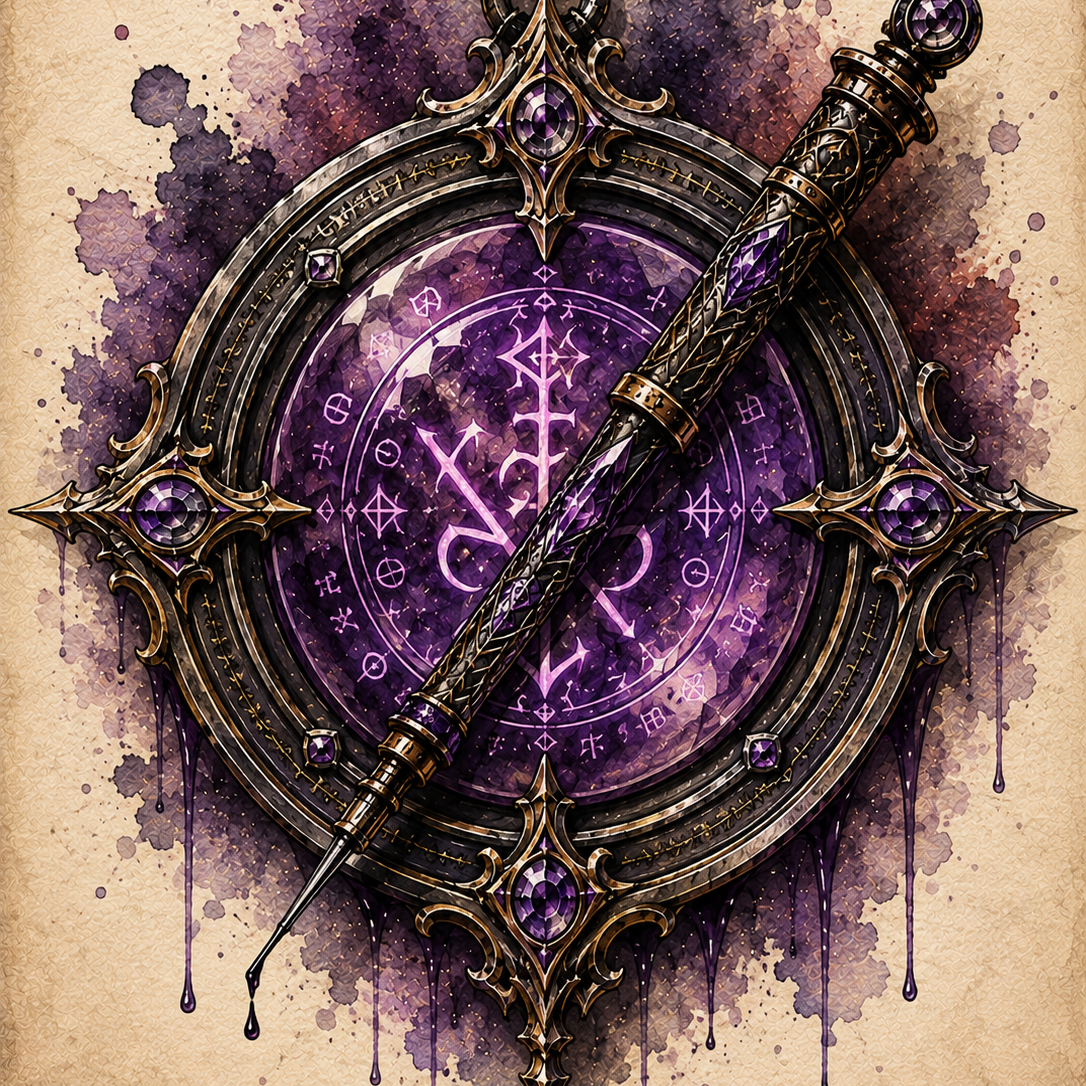
Transformation • Becoming • Self-Creation
“You are not finished yet.”
Reinvention, marking, initiation, bodily transformation, personal identity, and the sacred decision to become something new.
Ulvexa
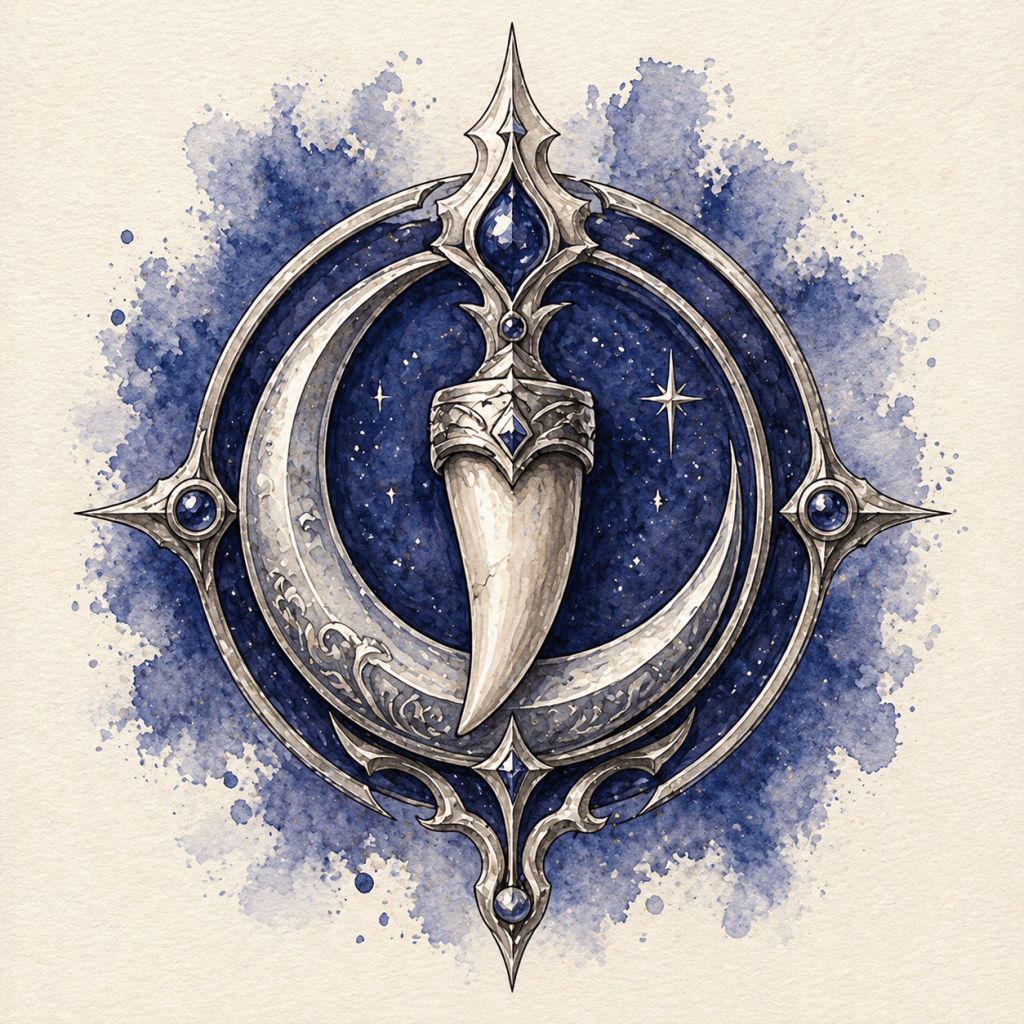
Instinct • Freedom • Authenticity
“The truest self cannot be caged.”
Instinct, passion, courage, physicality, wilderness, freedom, and the untamed truth beneath restraint.
Velzhari
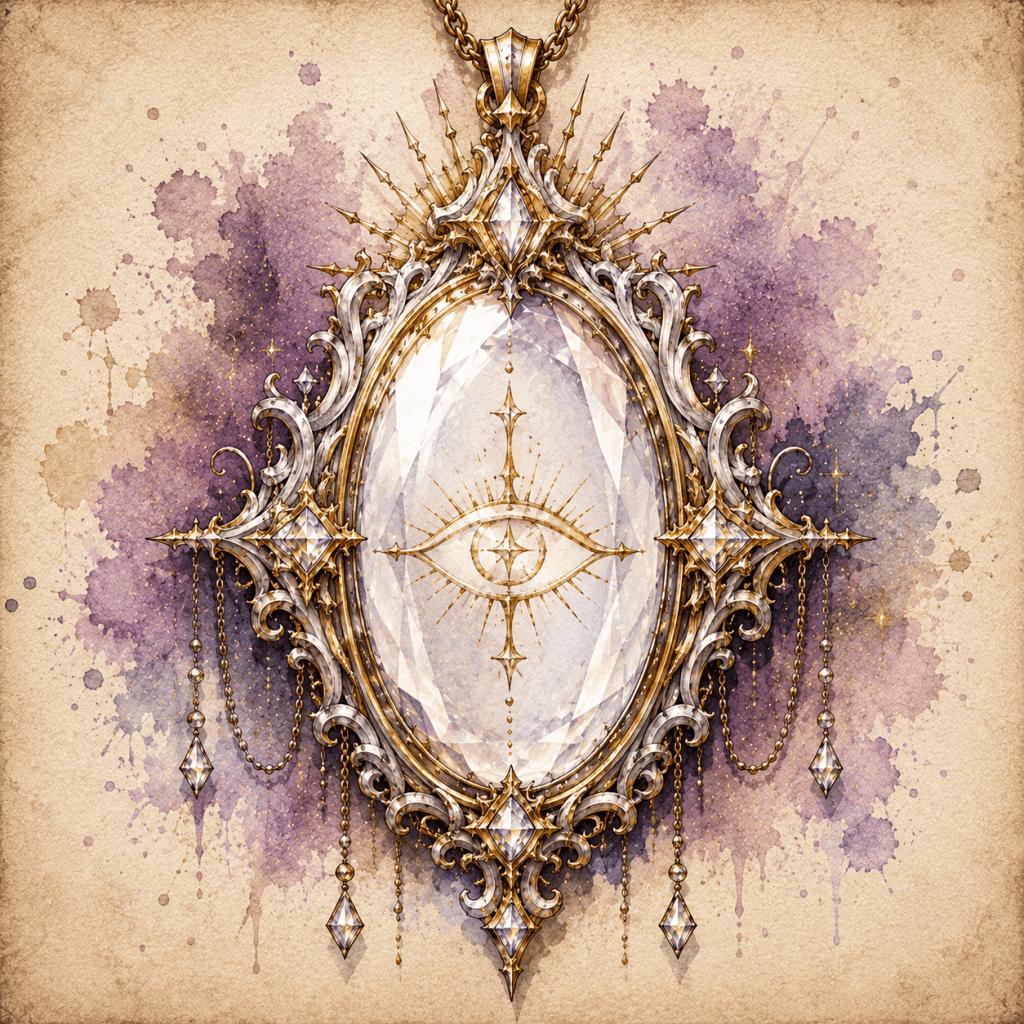
Recognition • Beauty • Aspiration
“To be seen is to exist.”
Admiration, presentation, artistry, reputation, self-expression, beauty, performance, and the longing to be recognized.
Zenthira
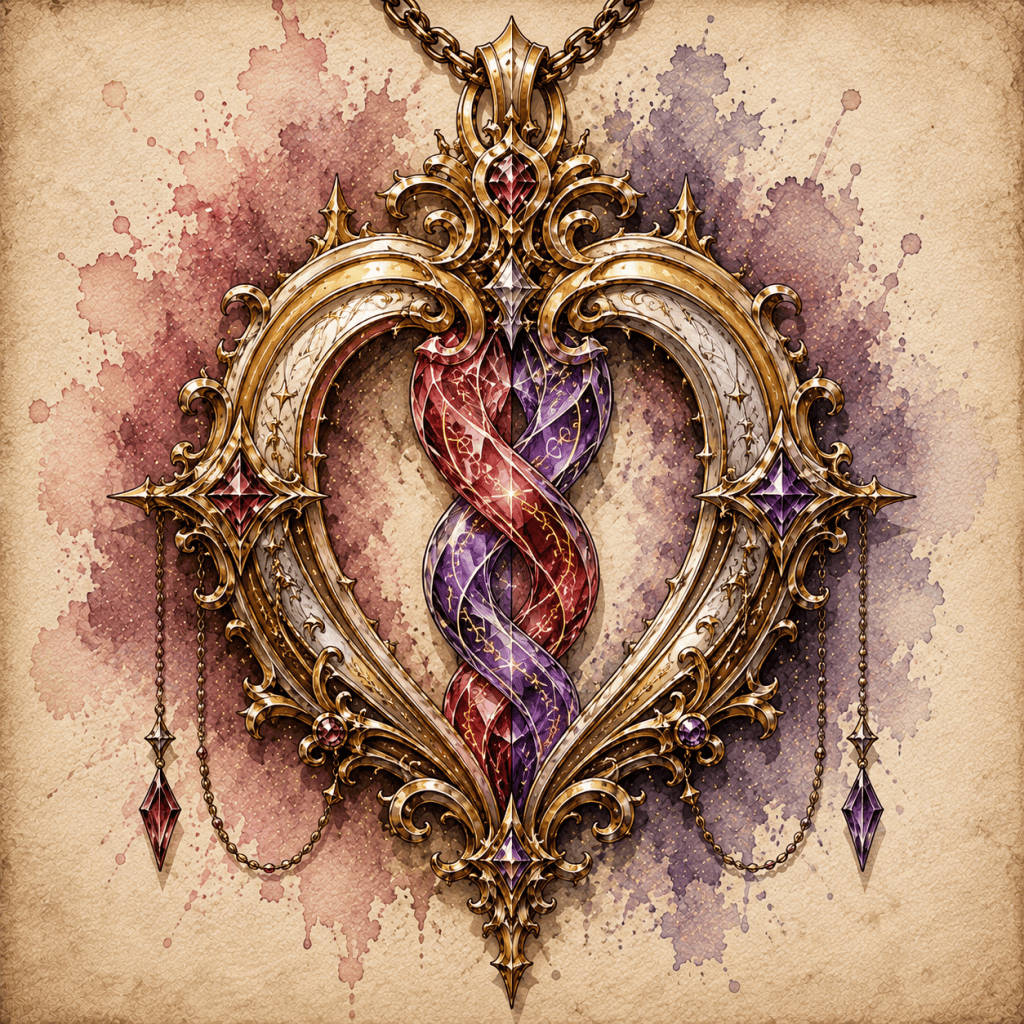
Connection • Boundaries • Longing
“The unreachable shapes the soul.”
Distance, impossible love, intimate bonds, barriers, yearning, hidden truths, and the relationships defined as much by separation as by closeness.
Desire Does Not Stand Still
The gods do not merely receive prayer. Mortals affect them in return. Love, repression, obsession, grief, longing, celebration, ambition, surrender, and transformation all create pressure within Erosia’s divine architecture. Mortal experience resonates through the Shimmering Veil and alters the balance of the divine realms. The relationship between gods and mortals is therefore not symbolic. It is reciprocal.
Powers Beyond the Velvet Court
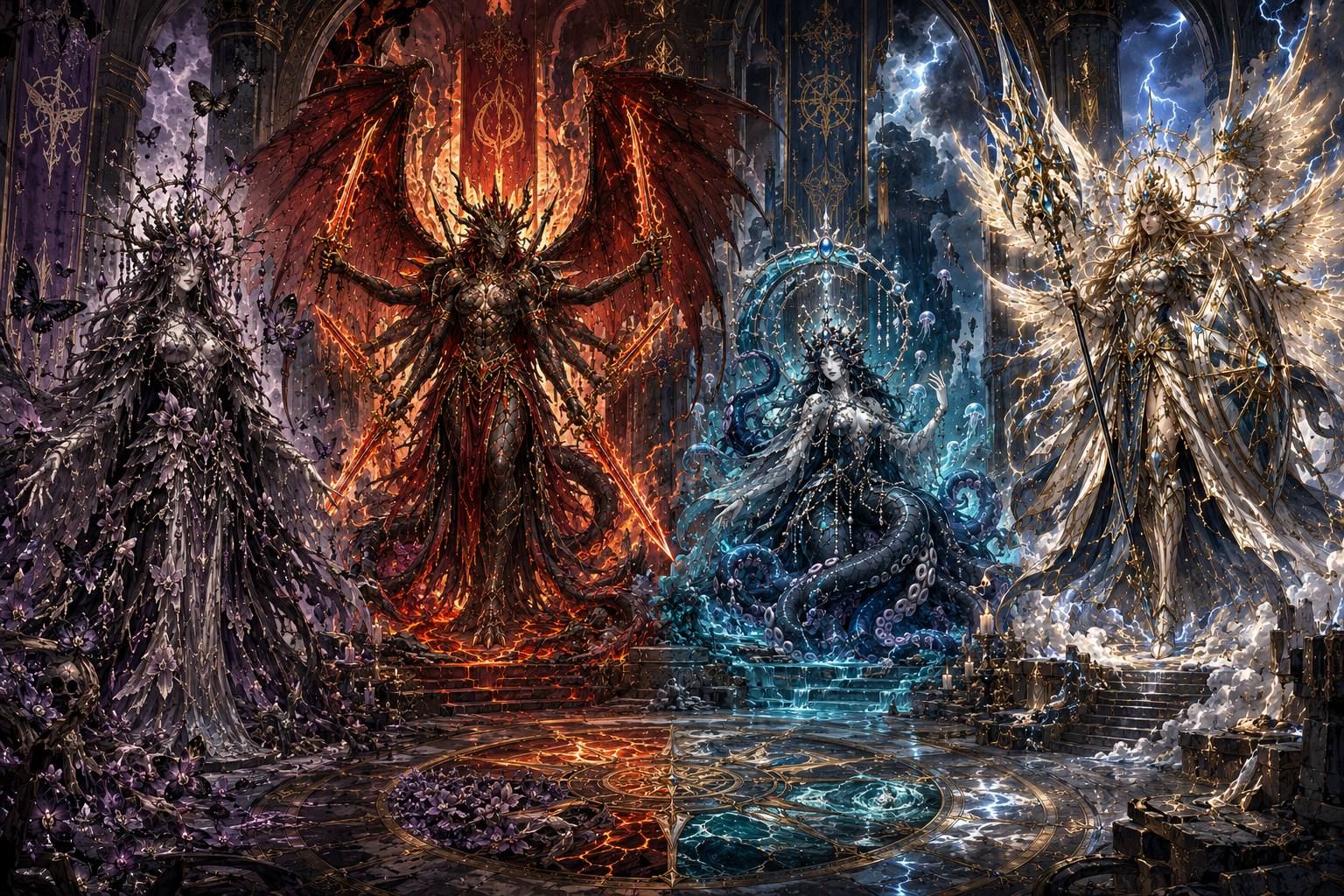
The Primordial Sovereigns
Not every ancient power of Erosia belongs to Velyssara’s Court. Beyond the gods of desire stand elemental sovereigns whose existence is tied to earth, flame, ocean, storm, memory, ruin, ambition, grief, and catastrophe. They are not expressions of mortal longing in the same way as the Velvet Court. They are older, harsher forces: powers approached through awe, survival, desperation, reverence, and fear.
Explore the Primordial Sovereigns →
Faith in Erosia
There is no single correct way to worship. Some devotees dedicate their lives to one deity. Others move between divine influences as their lives change. A farmer may pray to Aratheia during a hard winter, Talyss at a wedding feast, Sylithra after grief, and Velyssara when love returns. Faith may be expressed through incense-filled temples, private vows, festivals, masked ceremonies, acts of service, sacred hunts, artistic creation, ritual discipline, confession, intimacy, or simple offerings left where only a god might notice. The gods of Erosia are not distant abstractions. They are encountered through the things mortals cannot help but feel.
Explore Faith & Worship →
 Whispers of Erosia
You must be logged in to post a comment.