
One of the things I have always found a little strange in traditional fantasy RPGs is the way half-giants are often handled. The idea itself is great. A mortal carrying the blood of giants? Absolutely.
A towering hero descended from beings who shaped mountains, battled dragons, and helped build civilizations? Sign me up. But then you look closer and realize that most settings only really focus on one or two giant ancestries. Usually stone giants. Sometimes hill giants. Occasionally frost giants. And that’s where I always started asking questions.
What about the others? What about the giants of living flame? What about the masters of storms? What about cloud giants who ruled the skies? What about sea giants who crossed oceans before mortal kingdoms even existed?
If giants are truly one of the great ancestral peoples of the world, why would their descendants all look and feel largely the same?
This week, I finally sat down and tackled that question while expanding the cosmology and history of Erosia. The result became something much larger than I originally intended.
It became the Colossal…I mean Colossi.
Giants in the Mythology of Erosia
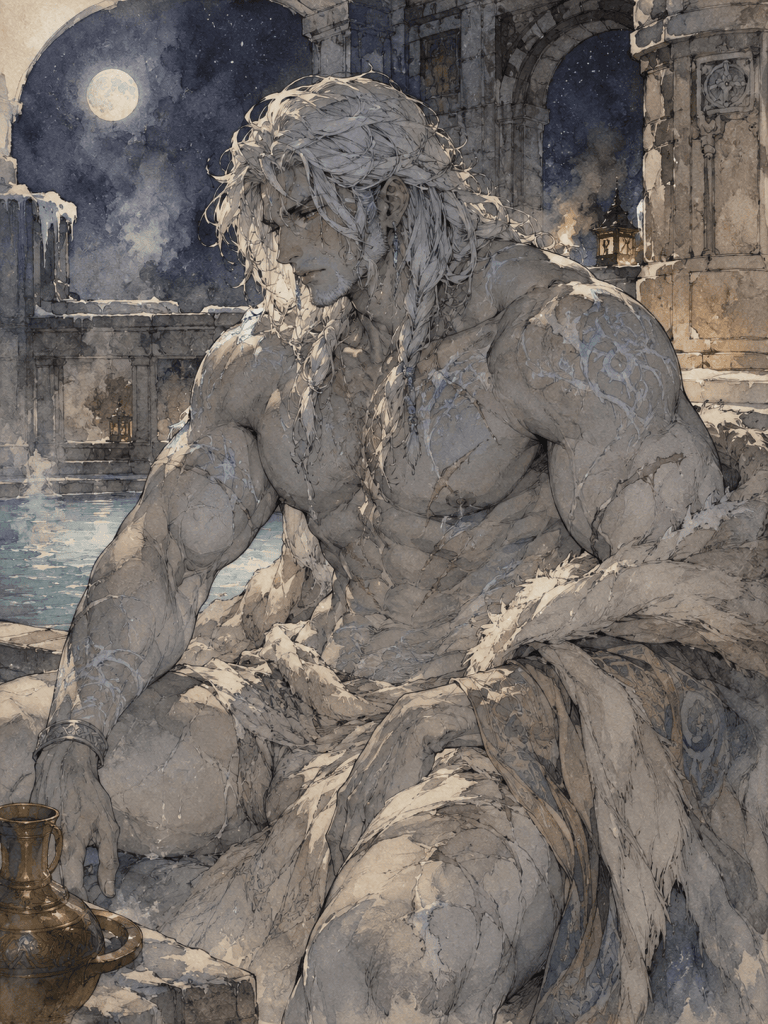
As the cosmology continued to take shape, giants naturally found a place among the earliest peoples of the world.
Long before modern kingdoms, before many of the mortal ancestries we recognize today, giants were builders, explorers, philosophers, sailors, artisans, and stewards of the world.
They were not merely monsters lurking beyond civilization. In many ways, they were civilization.
The great roads, impossible bridges, ancient observatories, mountain citadels, coastal harbors, and forgotten wonders scattered across Erosia all trace portions of their origins back to giant cultures.
- Some built among mountains.
- Some walked the tundra.
- Some sailed endless oceans.
- Some studied the stars.
- Some forged wonders in living flame.
Over thousands of years those giant peoples changed, fractured, migrated, and crossed paths with countless mortal cultures. Their descendants remain everywhere.
Not as giants. But as Colossi.
Expanding the Concept of the Half-Giant
Rather than creating a single “half-giant” ancestry, I wanted giant heritage to feel as varied and meaningful as dragon heritage. After all, nobody expects descendants of a red dragon and a silver dragon to be identical. Why should giant descendants be?
That idea led to the creation of seven distinct Colossi lineages.
Stoneblood Colossi
Descendants of Stone Giants. Patient, resilient, thoughtful, and deeply connected to memory, history, and craftsmanship.
Hillblood Colossi
Descendants of Hill Giants. Warm-hearted community builders known for hospitality, storytelling, celebration, brewing, farming, and abundance.
Frostblood Colossi
Descendants of Frost Giants. Disciplined survivors who value loyalty, endurance, preparation, and perseverance against impossible odds.
Emberblood Colossi
Descendants of Fire Giants. Master artisans, smiths, engineers, architects, and creators whose cultures revolve around mastery through effort.
Stormblood Colossi
Descendants of Storm Giants. Leaders, navigators, judges, diplomats, and guardians who inherit a strong sense of responsibility and purpose.
Cloudblood Colossi
Descendants of Cloud Giants. Dreamers, explorers, philosophers, artists, and travelers who seek wisdom through experience and discovery.
Tideblood Colossi
Descendants of Sea Giants. Sailors, harbor builders, navigators, traders, and protectors whose lives remain tied to the sea.
Each lineage now has its own appearance, traditions, values, festivals, architecture, professions, cultural outlooks, and mechanical identity. Most importantly, they feel different from one another. A Stormblood hero and a Hillblood hero might both be Colossi. But they no longer feel like the same character wearing different paint.
Building Culture First
One thing I have been focusing on throughout Whispers of Erosia is building cultures before building mechanics. Mechanics matter.
But people remember stories.
When someone chooses a lineage, I want them to immediately understand who those people are.
- What do they celebrate?
- What do they build?
- What do they fear?
- What do they teach their children?
- What does a festival look like?
- What does a hero look like?
Those questions create identities that players can connect to. The mechanics then reinforce that identity rather than replacing it. The result is a lineage that feels alive both at the table and in the setting.
More Than Just Bigger Humans
Another goal was making Colossi feel like descendants of giants without becoming actual giants.
They stand taller than most mortals. They carry traces of their ancestral bloodlines. Their cultures preserve giant traditions. Their physiques reflect giant heritage. But they remain people first.
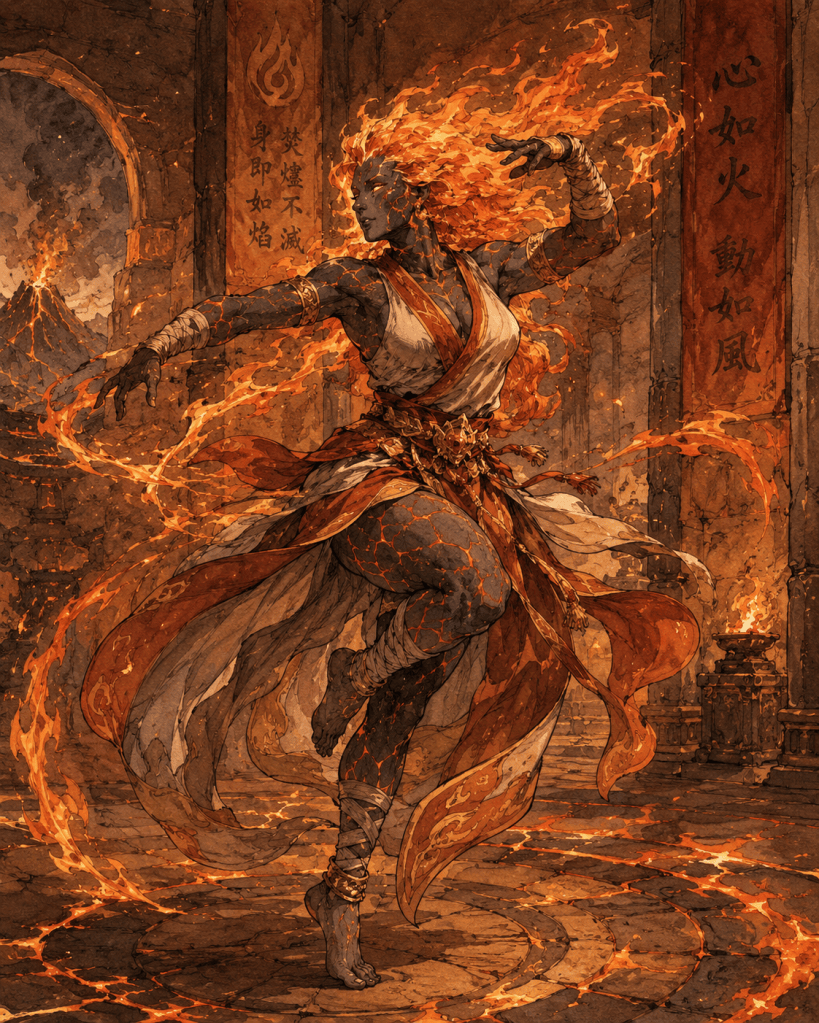
- Adventurers.
- Citizens.
- Scholars.
- Farmers.
- Sailors.
- Priests.
- Craftsmen.
- Explorers.
The goal was never to create miniature giants. The goal was to create cultures shaped by giant ancestry.
Looking Ahead
What started as a simple question about Goliaths turned into one of my favorite worldbuilding projects in Erosia so far.
The more I explored giant history, the more I realized they deserved the same level of depth and attention that I had already given to the Dracari lineages.
Now every major giant heritage has a place in the world. Every lineage has its own story. And every player can choose the giant ancestry that best fits the character they want to tell.
Honestly, that’s a lot more exciting to me than another generic half-giant race.
So what do you think?
Would you use this version of the Goliath?
Would you rather play a storm-born diplomat, a cloudblood explorer, a tideblood sailor, an emberblood smith, a frostblood survivor, a stoneblood philosopher, or a hillblood brewmaster?
I’d love to hear which lineage speaks to you most.

 Whispers of Erosia
Leave a comment